
Company news / 2 April 2026
LoLa Streaming R&D at RE:FORMAT Manchester
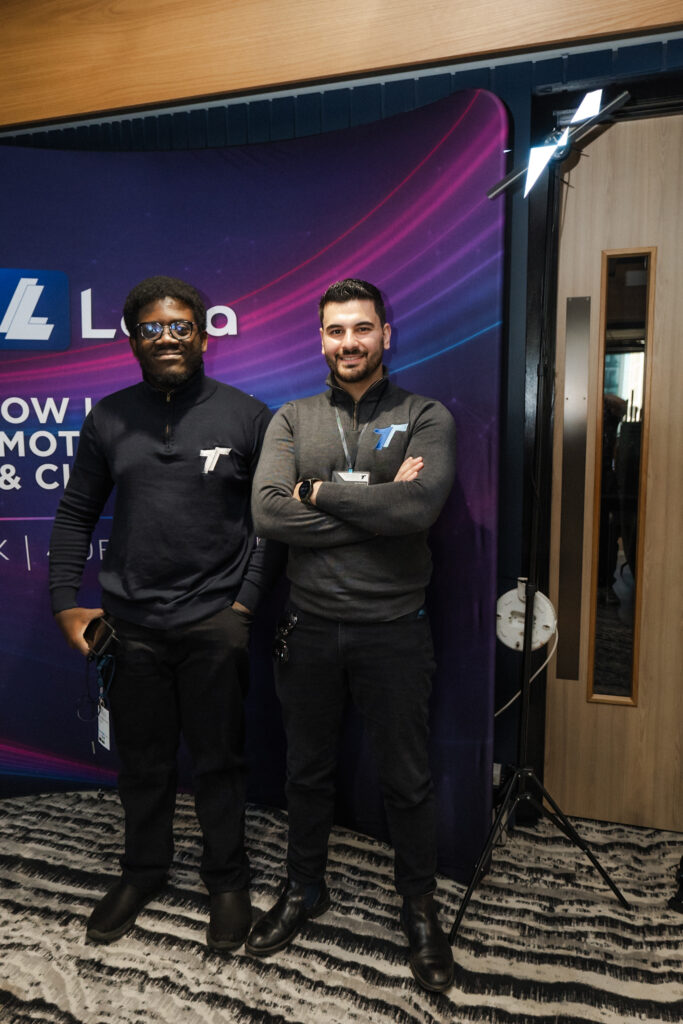
LoLa Founder Rogiros Theophanous and CTO Oluwagbenga Obasa joined leaders from across the UK games and technology sectors, sharing insight into LoLa’s R&D, remote multimedia streaming technology and its applications in game development.
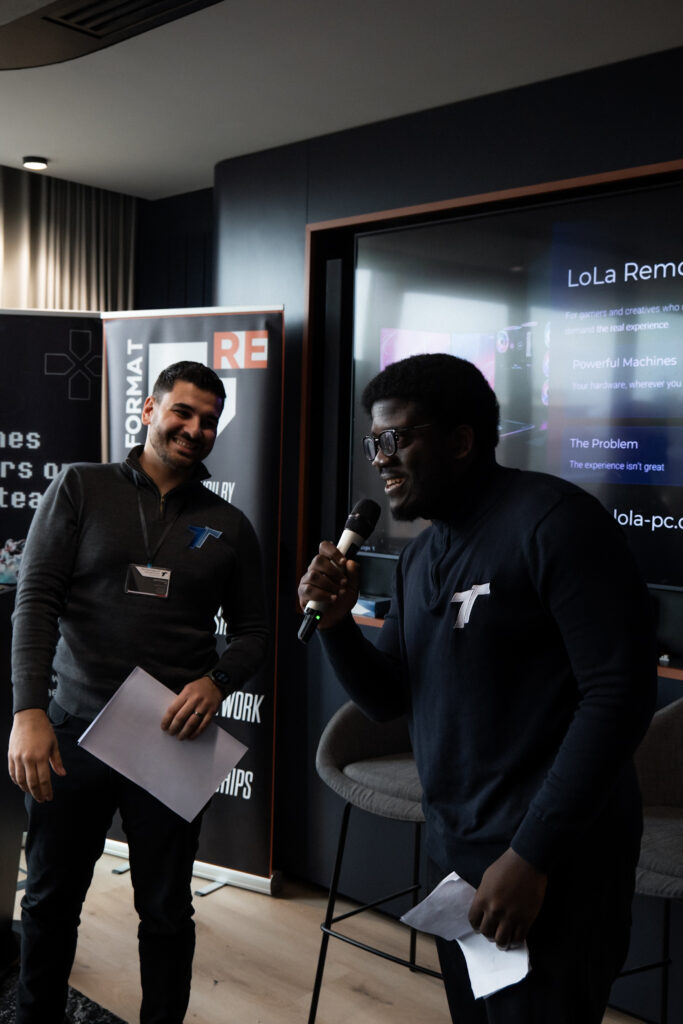
LoLa at RE:FORMAT Manchester
On 2 April 2026, LoLa participated in the RE:FORMAT Games + Tech Industry Summit Manchester as an event sponsor and a technology company contributing to the conversation around innovation, games and technology.
Organised by FORMAT Group, a UK video game industry events movement connecting studios, developers, brands, creators and technology businesses, the summit brought together leaders for talks, panels and networking focused on game development, technology innovation, investment, publishing and cross-sector collaboration.
FORMAT Group’s post-event recap records that the daytime summit was completely sold out, with more than 80 industry leaders in attendance. The programme continued with an industry mixer, delivered with Game Hive, which welcomed close to 150 leaders from across the UK.

Sponsoring an exchange between games and technology
LoLa was listed as an official Bronze Sponsor, with a LoLa PC Sponsor Spotlight included in the published summit agenda. Founder and CEO Rogiros Theophanous and Oluwagbenga Obasa, CTO of Theo Technologies and technical lead behind the LoLa platform, represented the company.
Rogiros joined the summit’s Technologies & Innovation discussion, contributing a founder’s perspective on developing technology in the North West and on the value of closer collaboration between technology builders and the games sector. His participation was part of a wider programme examining practical routes to innovation, investment and growth.
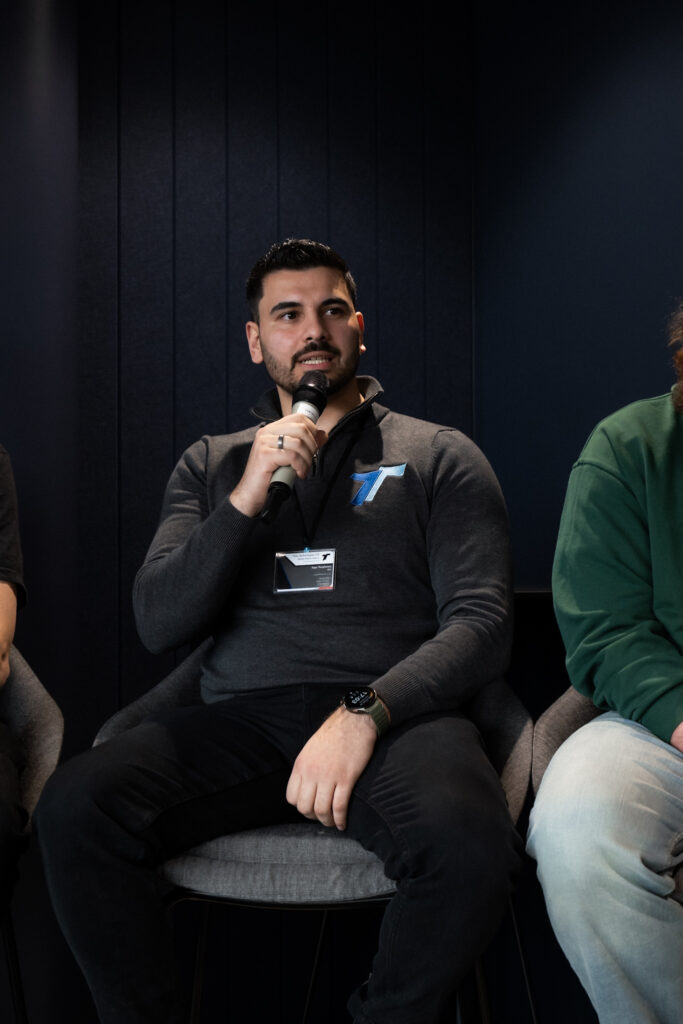
Inside the engineering behind LoLa streaming
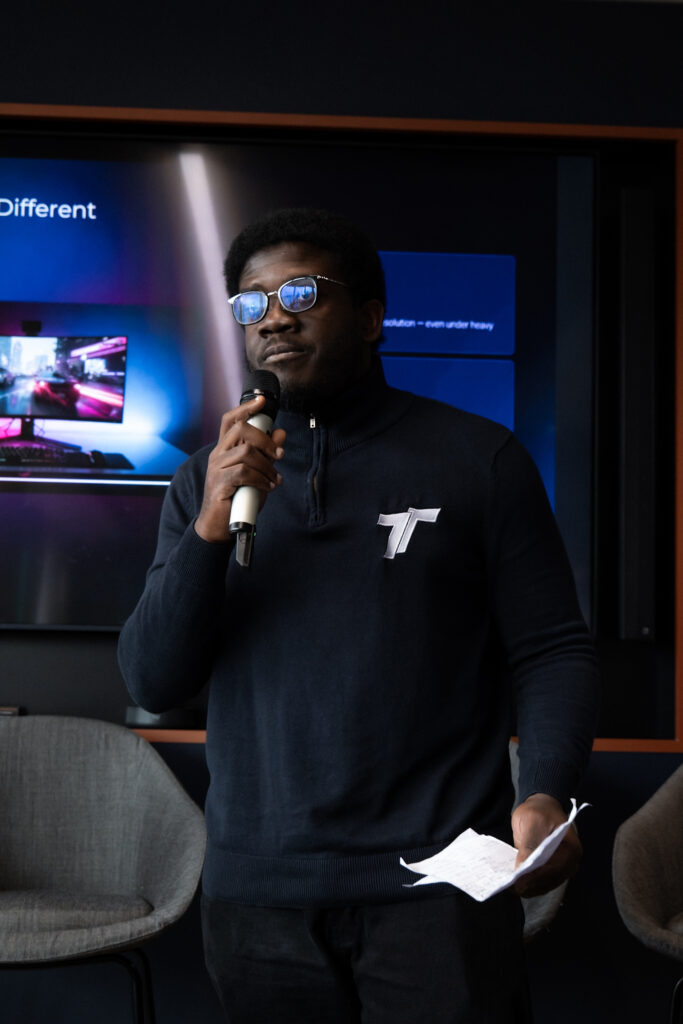
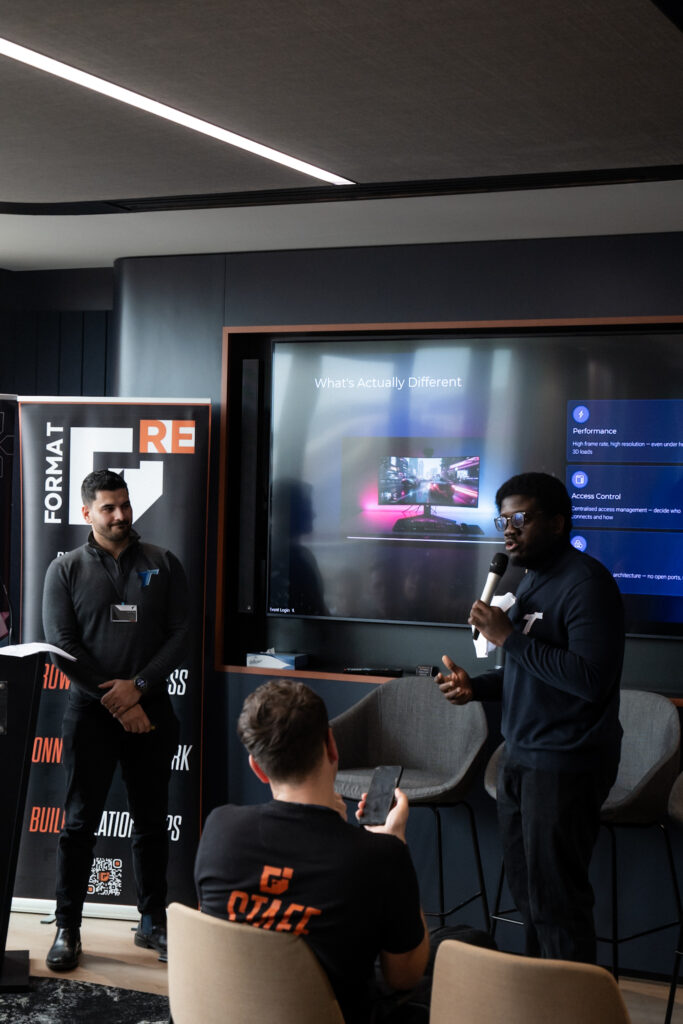
LoLa Founder Rogiros Theophanous and CTO Oluwagbenga Obasa presented the company’s work at RE:FORMAT Manchester, sharing insight into the innovation and R&D behind LoLa’s remote multimedia streaming technology and how the technology can support demanding use cases such as game development.
During LoLa’s contribution to the summit, CTO Oluwagbenga Obasa presented the engineering and R&D behind LoLa’s remote streaming technology. Rather than treating remote access as a generic office tool, the presentation looked at the technical challenges involved in creating a remote computing platform suitable for demanding multimedia workloads, including games and creative applications.
As CTO, Oluwagbenga leads much of the technical development and R&D behind LoLa, working across streaming technology, cloud infrastructure, networking, security and the engineering required to deliver responsive remote computing experiences.
The presentation explored the practical difference between conventional remote desktop software and technology designed for graphics-intensive workloads. The engineering problem spans high frame-rate and high-resolution multimedia streaming, responsiveness and latency, secure remote access, centralised access control, and zero-trust and network-security principles. It also involves connecting users to powerful computing hardware remotely while preserving an experience that remains useful for visual, interactive work.
Those areas are interdependent. Increasing visual quality can place additional pressure on bandwidth and encoding. Tightening security and access controls must be designed into the connection path without making the service difficult to operate. Responsiveness depends not on one component, but on the complete route from the host computer, through the network and streaming stack, to the user’s display and input devices.
LoLa’s R&D is focused on making remote computers practical for applications where traditional office-oriented remote desktop technology may not provide the required experience. That work includes the wider technical architecture needed to connect, secure and manage remote sessions, alongside continued development of the streaming experience itself.
Why remote computing matters to game developers
Modern game-development and creative teams increasingly depend on powerful workstations, GPU-intensive software, large project environments and specialists working across different locations. Engines, builds, assets and production tools often live on machines that cannot be replaced by a lightweight laptop.
Remote access to those resources creates a different option: developers and creative professionals can potentially work from lower-powered local devices while accessing more capable hardware elsewhere. A studio might connect a developer to a configured workstation, provide access to a build-review machine or add a cloud workstation when a project needs temporary capacity.
The attraction is not simply that a desktop can be viewed remotely. For remote game development, the real question is whether the complete experience can support interactive engines, visual assets, testing and creative decision-making while maintaining appropriate security and control. That is why streaming performance, networking, access policy and infrastructure have to be considered as one engineering system.
Building UK technology through applied R&D
LoLa’s participation at RE:FORMAT reflected a wider commitment by Theo Technologies to applied technology research and development in the UK. Events such as RE:FORMAT create a useful meeting point between the people building technical platforms and the developers, studios and creative businesses that could use them.
That exchange matters because credible game development technology is shaped by real production constraints. Listening to how studios work, where conventional remote access falls short and how teams balance performance, security and cost helps keep R&D connected to practical problems rather than abstract capability claims.
We thank FORMAT Group, the speakers, panellists and the wider games and technology community who joined the Manchester summit. LoLa will continue developing and testing the infrastructure, networking, security and remote multimedia streaming technologies required to make demanding computing resources more accessible to distributed teams.